Understanding ADHD in Adults: It's Not Just About Focus
For educational purposes. This article shares general information to help you understand your care — it is not a diagnosis, treatment plan, or substitute for individualized medical advice. Please talk with your provider about anything that applies to your specific situation, and use Contact or Messages for anything personal rather than the public comments below.
When most people picture ADHD, they picture a child who can't sit still in class. But attention-deficit/hyperactivity disorder doesn't disappear at eighteen — it simply changes shape. In adults, ADHD often shows up as chronic disorganization, trouble finishing tasks, restlessness that's more internal than physical, and a pattern of missed deadlines that feels impossible to break no matter how hard you try.
Why it's so often missed
Many adults with ADHD were never diagnosed as children, especially if their symptoms leaned more toward inattention than hyperactivity. Girls and women, in particular, are frequently overlooked because their ADHD tends to present quietly — as daydreaming, forgetfulness, or anxiety about falling behind — rather than the disruptive behavior that gets a child noticed.
What evaluation actually looks like
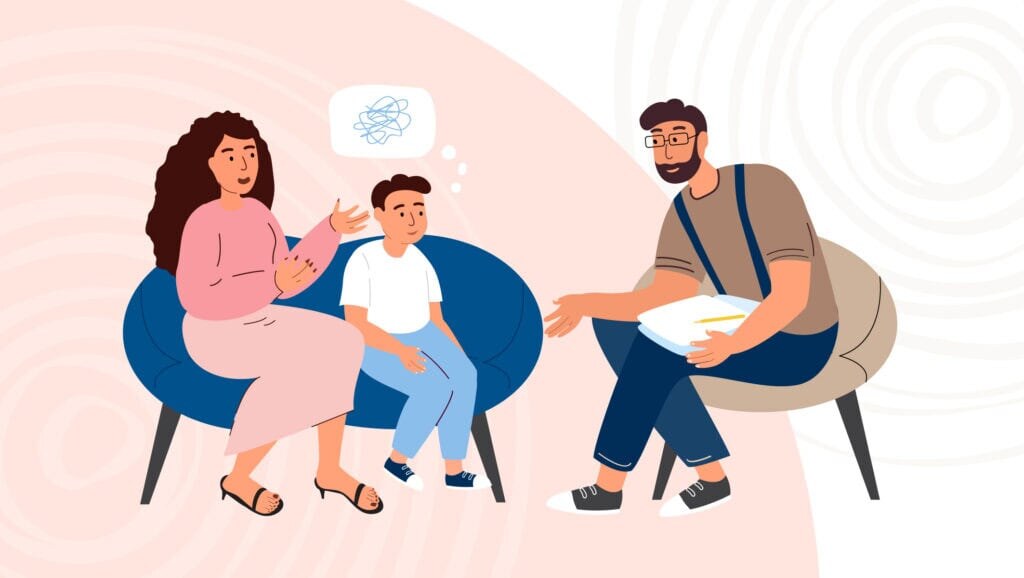
A thorough ADHD evaluation isn't a five-minute checklist. It involves a detailed history of your symptoms across different settings and stages of life, because ADHD is a developmental condition — the signs need to trace back further than just the last few stressful months.
Treatment is rarely just medication
While medication management is often part of an effective plan, it works best alongside practical strategies for organization, time management, and — when needed — accommodations at work or school. The goal isn't to make you a different person; it's to give your brain the support it needs to work with you instead of against you.
If any of this sounds familiar, an evaluation can be the first step toward finally understanding what's been going on — and what to do about it.

3 Comments
Comments are for general discussion and questions about the article, not for sharing personal health details or requesting treatment. For anything about your own care, please use Contact or, if you have an account, Messages.
Log in to join the conversation.
Log In Create AccountThis really helped me understand why my ADHD wasn't caught until my thirties. Thank you for writing this.
Thank you for sharing that, Jamie — that's a really common experience, especially for adults whose symptoms leaned more inattentive than hyperactive.
That makes a lot of sense. I'll bring this up at my next appointment.