Generalized Anxiety vs. Everyday Stress: How to Tell the Difference
For educational purposes. This article shares general information to help you understand your care — it is not a diagnosis, treatment plan, or substitute for individualized medical advice. Please talk with your provider about anything that applies to your specific situation, and use Contact or Messages for anything personal rather than the public comments below.
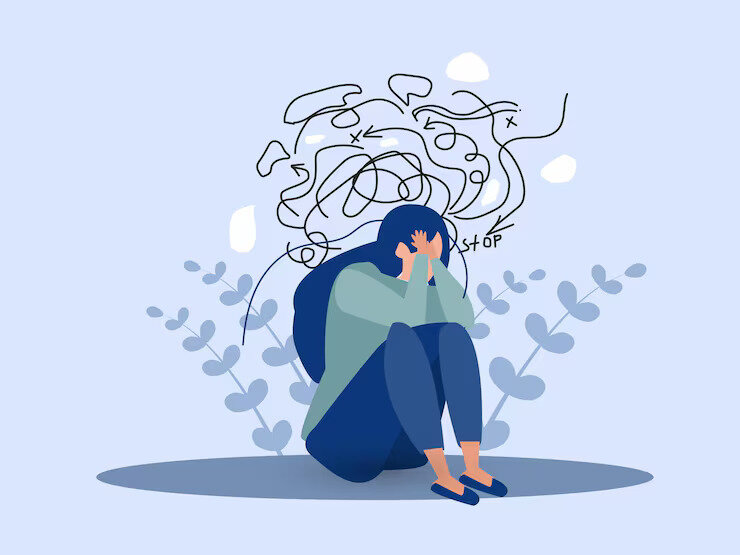
Stress is a normal part of life — a looming deadline, a hard conversation, a big decision. But for people with generalized anxiety disorder (GAD), that same worried feeling doesn't fade once the stressful event passes. It lingers, spreads to unrelated areas of life, and starts to feel less like a reaction and more like a constant companion.
Signs it may be more than everyday stress
If you find yourself worrying about things you know are unlikely, if the worry is hard to control once it starts, or if it's accompanied by physical symptoms like muscle tension, fatigue, or trouble sleeping most days for six months or more, that pattern is worth talking to a provider about.
Anxiety is treatable — genuinely
The most encouraging thing about anxiety disorders is how responsive they are to treatment. A combination of medication management and practical coping strategies can meaningfully reduce symptoms for most people, often within weeks of starting a plan tailored to them.
You don't have to wait until anxiety is unbearable to ask for help. If it's taking up more space in your life than you'd like, that's reason enough to reach out.

0 Comments
Comments are for general discussion and questions about the article, not for sharing personal health details or requesting treatment. For anything about your own care, please use Contact or, if you have an account, Messages.
Log in to join the conversation.
Log In Create AccountBe the first to comment on this article.